I refuse to rename the boomer shooter genre as retro shooter. For me, the emphasis in the original name isn’t on being inspired by old games, but on the first part of the word: BOOM. Boltgun 2, like its predecessor, fully embraces this, and throughout the game you’ll have BOOM, blood, body parts and dead heretics – just as the Emperor commands.
When I first launched Boltgun in 2023, the reaction was pure gamer and fan euphoria. Our brother Malum Caedo, an uncompromising Ultramarine, stomped through the legions of Chaos while bolter and chainsword sang the finest symphony of purification. In my previous review, I said the first game was phenomenal but lacked story and got repetitive in long sessions. It seems the developers read my review (and nobody else’s, of course) and addressed exactly these complaints.
The story throws you straight back into the hell of the Eye of Terror, where the line between reality and the Warp vanishes. Malum Caedo returns to finish his purge, but the main star and the biggest novelty of the sequel is the introduction of a second playable character, Sister Nyra Veyrath of the Adepta Sororitas. The difference in playstyle and in how these two characters feel on the battlefield is drastic, and it’s the best move the development team could have made.
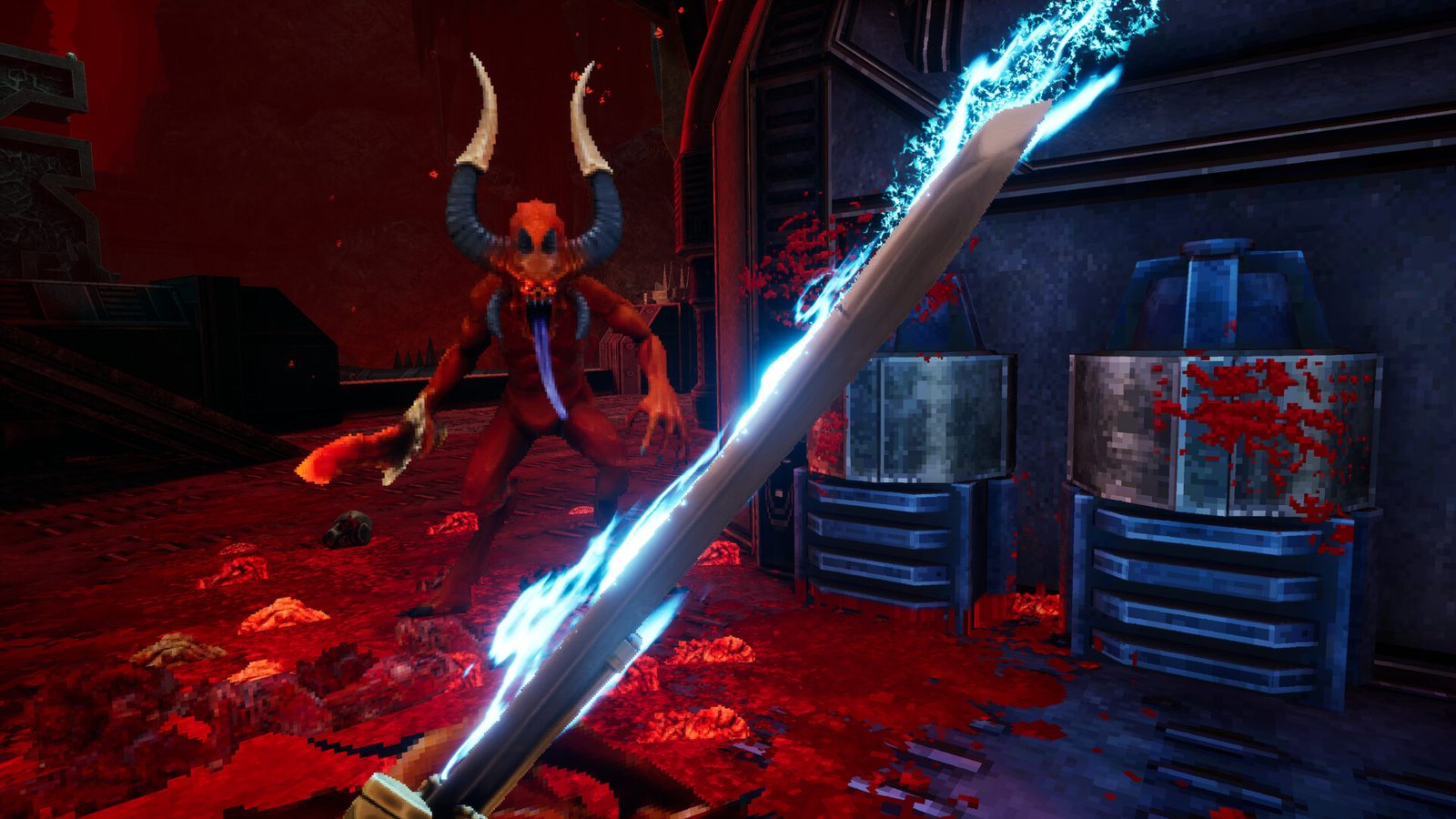
On one hand, Malum Caedo is an unstoppable meat grinder. He is a walking tank in Power Armour, tactically unshakeable and focused on raw, brutal strength. His playstyle relies on constant forward movement, straight into melee clashes with enemies. Caedo dominates the battlefield with his iconic Heavy Bolter, Meltagun and massive Chainsword, with which he cleanses heresy by cutting it down. His abilities focus on breaking through enemy lines and unstoppable Charge attacks that crush weaker enemies to pieces. Playing as Caedo means feeling every ton of armour and every gram of Ceramite as you sow death up close in the name of the Emperor.
Nyra Veyrath, on the other hand, brings a completely different, dynamic approach to warfare. As a member of the Adepta Sororitas, Nyra doesn’t rely on massive physical strength but on fanatical faith, agility and unerring precision. Her combat style is defined by exceptional speed and grace: she can slide across the ground, dodge projectiles in mid-air and briefly slow down time while jumping, allowing surgically precise hits on enemies’ weak points. Instead of a Chainsword, in close combat Nyra uses a gleaming Power Sword that cuts through hordes of heretic Astartes (not to say traitors) with ease. Her arsenal includes distinctive weapons such as a handheld Boltgun and a destructive Heavy Flamer. Fighting as Nyra feels like a deadly dance – you are always on the move, constantly balancing tactical retreat and fiery purification.
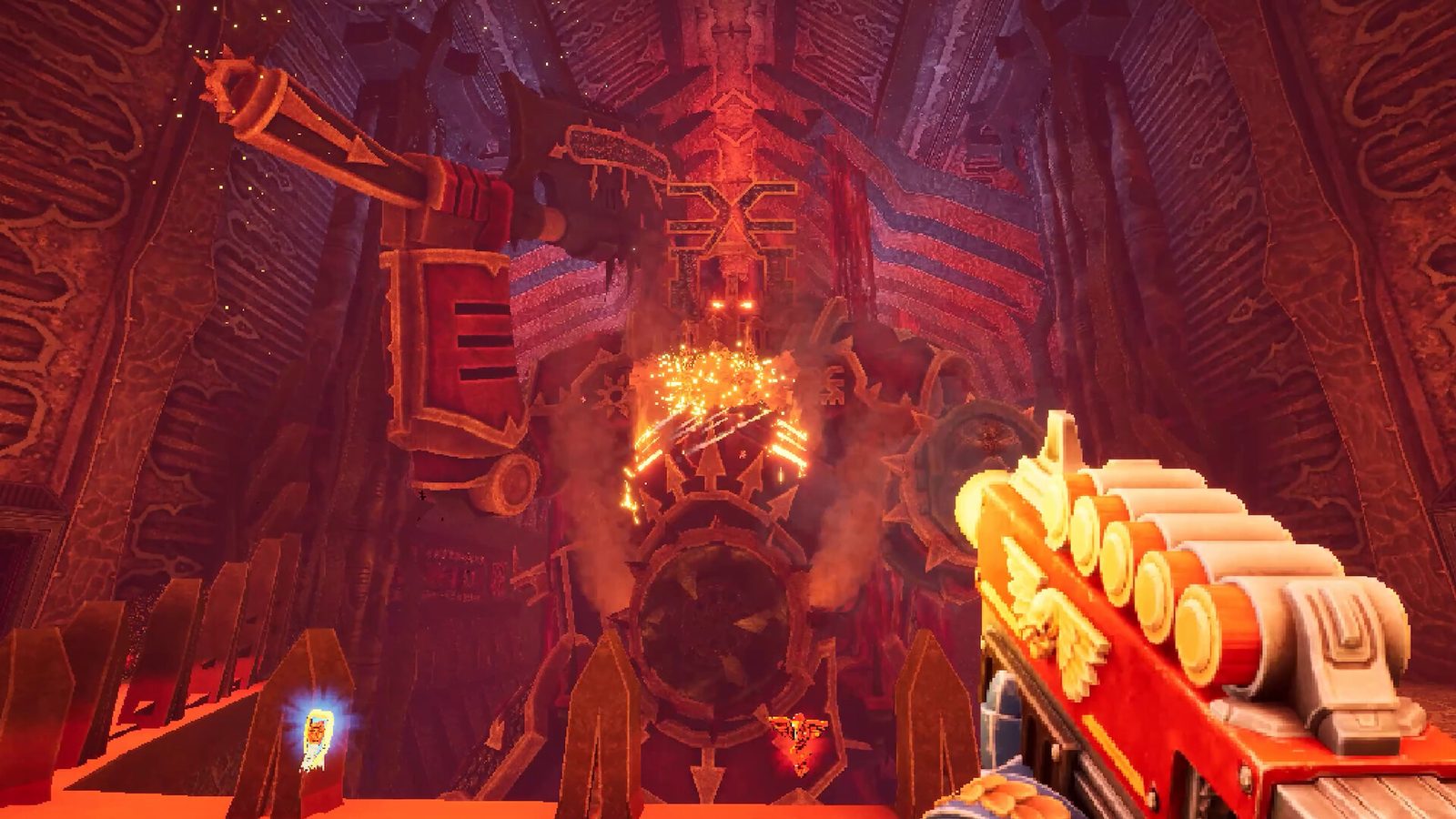
The mission structure of the sequel is finally worthy of a modern title. Forget aimless wandering through identical Hive City corridors in search of keycards. The levels in Boltgun 2 are much more focused, vertical and varied (although you still collect keycards). You’ll fight through complex, snow-bound Forge World installations, toxic swamps, the ruins of gigantic Imperial cathedrals and the interior of a defiled Space Hulk. A servo-skull always discreetly points the way to the next combat zone, so the focus is always where it should be – on non-stop movement and shooting. The game now also offers a map in the style of the new Doom games, an extra plus that helps with exploration without stopping you from digging in and hunting for hidden items in every area. Besides the aesthetic value, each collectible gives you various temporary abilities, such as infinite or stronger ammo.
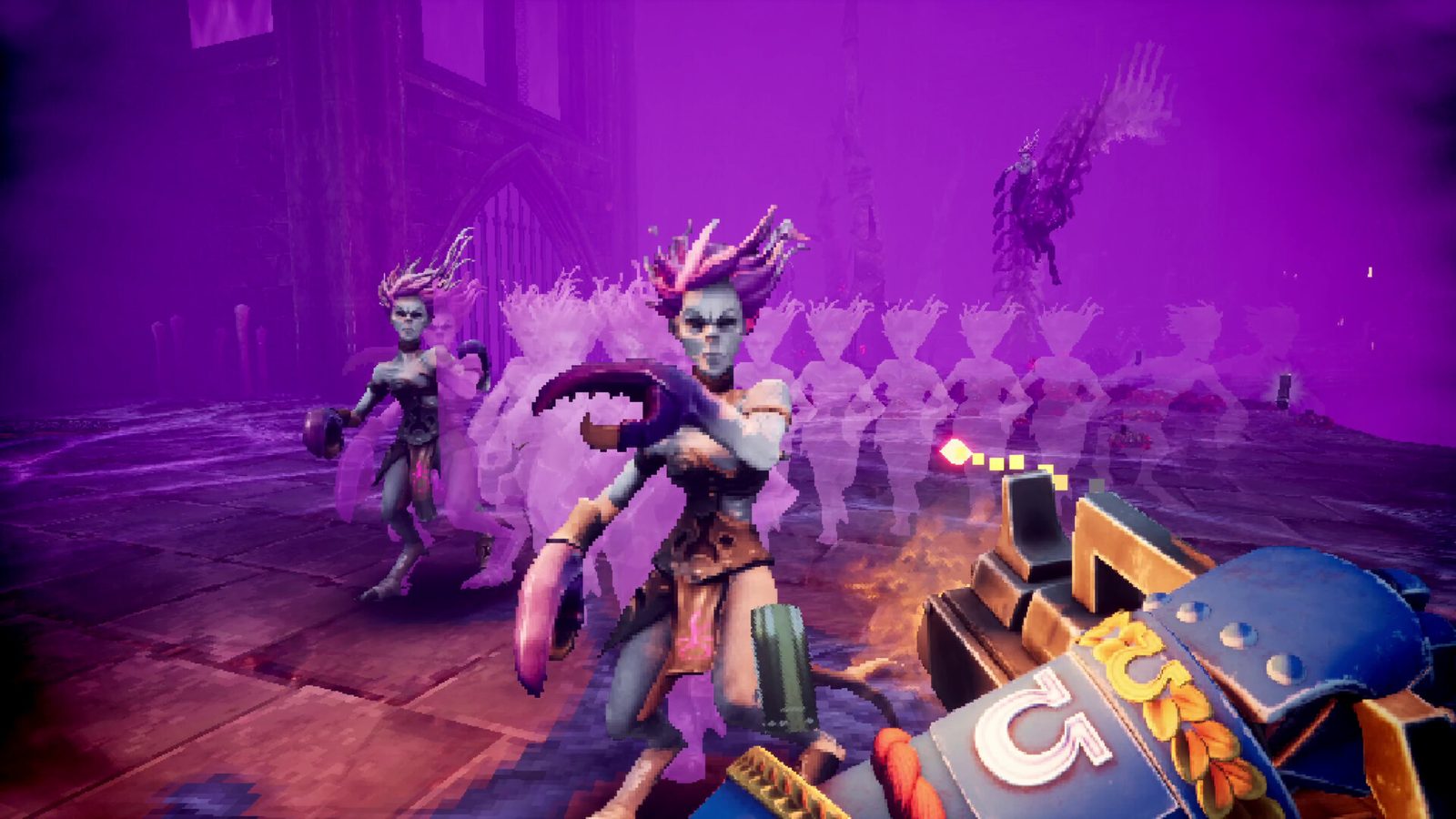
What thrilled me most as a fan is the expansion of the enemy factions. The first game gave us only crumbs, but Boltgun 2 brings all the thugs of Chaos onto the field. On the battlefield you finally face bloodthirsty Khorne Berzerkers charging mindlessly at you, as well as decadent Slaanesh units whose sonic cannons and toxic projectiles distort the screen and mess with your hearing. Alongside them are the standard Nurgle Plague Marines and Tzeentch sorcerers, which means battles demand constant weapon switching depending on which Chaos faction is attacking you. Boss fights at the end of chapters have finally been given the treatment they deserve – battles against massive Daemon Princes and Chaos Dreadnoughts offer a real challenge and demand maximum concentration.
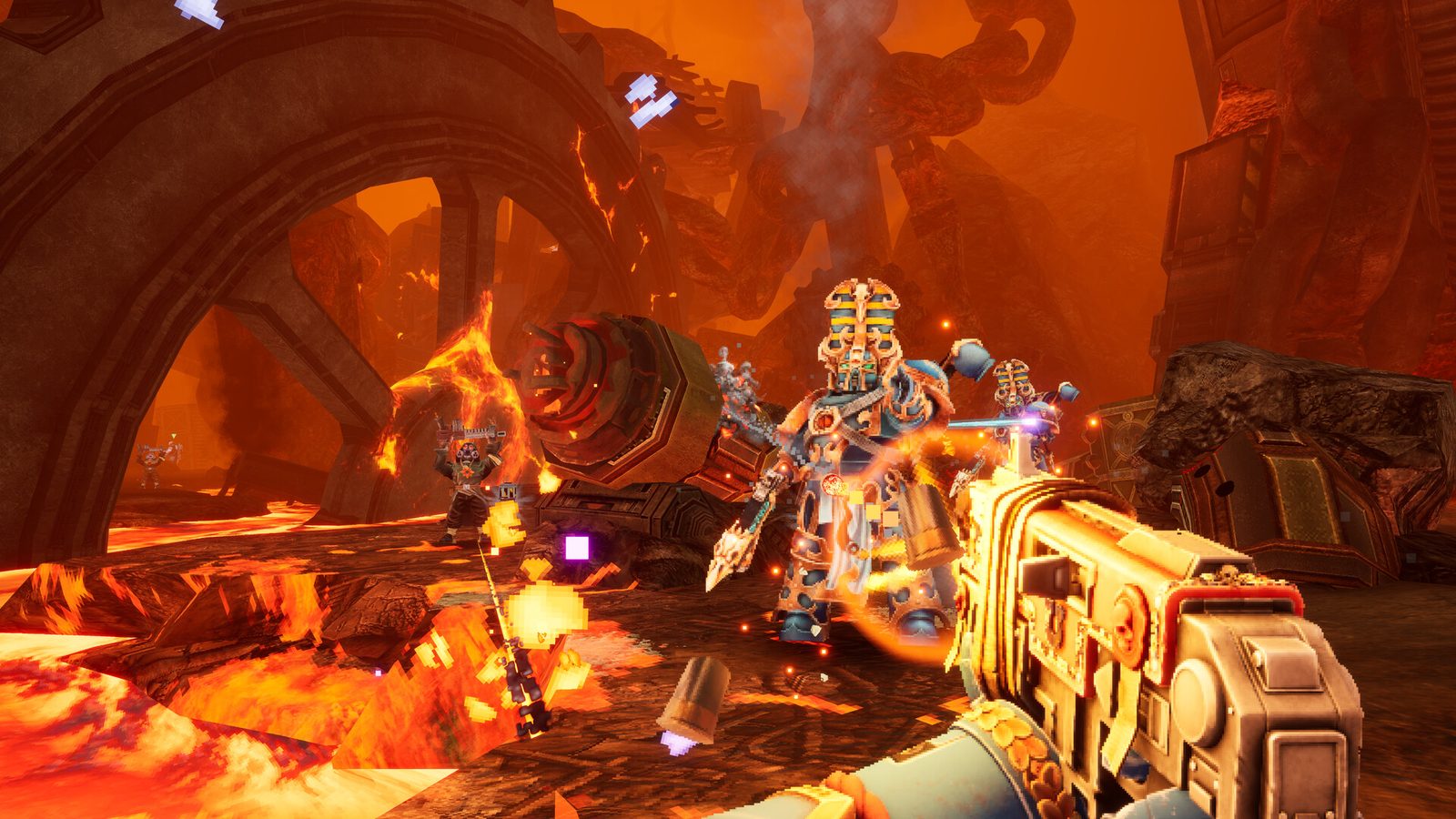
Visually, the game once again shines with its retro pixel-art style, but behind it lies a modern engine that renders hundreds of heretics and Xenos on screen at once without any trouble. The explosions and enemies being torn apart by bolter fire look fantastic. The soundtrack is soaked in heavy industrial metal rhythms, just like the first game, and a special treat for all of us is the guest appearance of Mick Gordon, whose signature sound perfectly accompanies the final epic battle and pushes the adrenaline to the max.
Still, when there are over a hundred enemies on screen with non-stop explosions and lighting effects, the visual overload can sometimes become tiring. Also, Nyra’s exceptional speed on certain narrow platforming sections can feel too slippery, which can send you plunging into the abyss in the middle of the fiercest fight. Also, although her arsenal is a lot of fun, I would have liked her to have one more unique weapon in her category to fully match Caedo.
The boring Nurgle and Tzeentch heretics of the first game, levels where you lose your mind looking for keys and the material grind in the third act made me approach this sequel cautiously, but Auroch Digital proved me wrong in the best possible way and delivered everything we fans had hoped for. The development team listened to the community, kept the brutal essence of the original and improved it in every area. With two completely different characters, a branching campaign, a richer mix of enemies and a top-notch atmosphere, this is a title that fully justifies every minute spent on the battlefield. Let no heretic live, for the Emperor!
Warhammer 40,000: Boltgun 2 is available on PC, PS5 and Xbox Series X/S
Author: Igor Totić