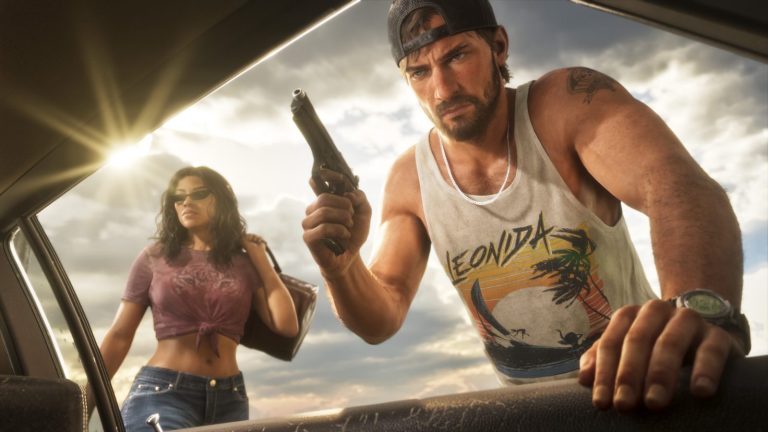
Ever since 2001, GTA has been in the public eye for its “extreme violence” and for glamourising a criminal lifestyle. That didn’t change with the sequels, as each instalment brought some new “bad” values. In GTA III it was “realistic” violence, in Vice City “the destruction of ethnic groups”, in San Andreas “stereotypical racism”, in GTA IV “promoting drunk driving”, and in GTA V… well, all of the above. But what we gamers know is that these games gave us a huge amount of harmless fun – even in the years when it probably wasn’t wise for us to be playing them yet.
Each of us has a favourite moment from previous instalments that will stay with us for the rest of our lives. Even newer generations have been exposed to the phenomenon that grew out of GTA Online, where players created their own stories and their own unforgettable moments. When you add all of that up – all the nostalgia, all the fun, all the unforgettable moments and even all the controversies – a lot, an enormous amount, is expected of GTA VI. The new instalment has to awaken nostalgia, tell a great story with unforgettable characters, offer a huge amount of fun and maybe create a few new controversies. GTA VI succeeds at three of those four.
For days I’ve been trying to figure out where to start this review. There won’t be a single spoiler in this text, but it’s very important to set the context and justify my criticisms. I’m sure very few people will actually read this review, because they’ll be glued to the TV, eagerly waiting for the game to actually start. Some of those players are true fans, some are just curious what all the fuss is about – which is impossible to convey in text, but I’ll at least try. With that in mind, I’m aware that my opinion won’t change anyone else’s, nor will it affect the bigger picture.
So let’s start with the main characters. No, I don’t mean Jason and Lucia, but Leonida and money. In my humble opinion, there are no main characters other than Leonida and money, because everything revolves around them. Leonida gives all sorts of players the chance to make money, which in this iteration is extremely important, both for the game and for the context of the story.
Leonida
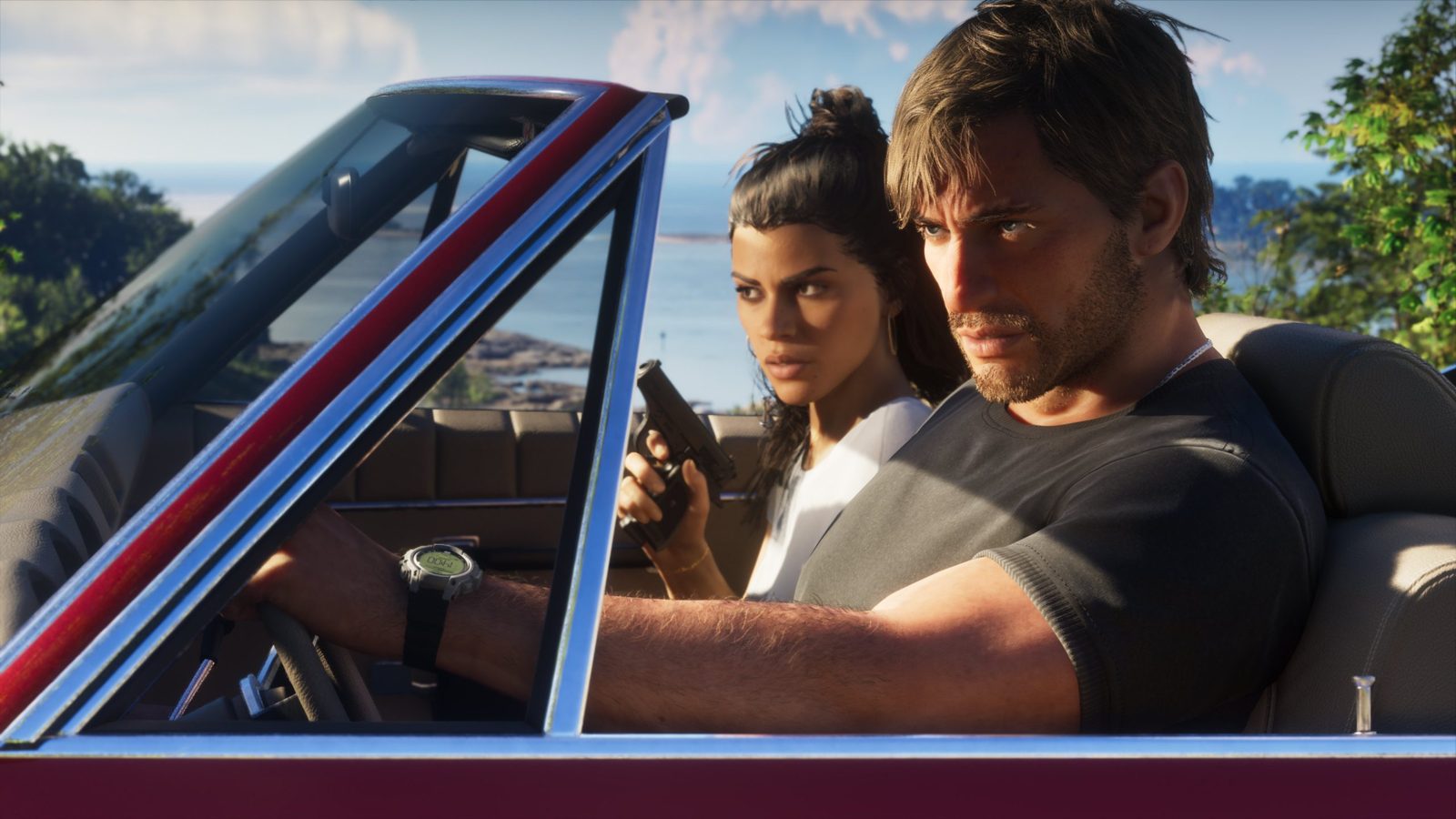
Leonida is huge. Not only is the whole map big, it’s also very dense. You’ll very rarely come across just an empty road or forest, and even when you do, something (or someone) is waiting there with an interesting story or activity. Leonida is very obviously inspired by Florida and Vice City by Miami (which we already knew), but the amount of detail is indescribable.
There isn’t a street, house, building or fence that doesn’t have a point or its exact place. I’m convinced the developers placed cigarette butts on the road by hand to add authenticity. The whole of Leonida looks like an entire state squeezed into an exact microcosm, down to the tiniest detail. The first area where the story begins, Key Lento, is a small island surrounded by swamps full of alligators, but it’s also a retirement community where older people enjoy the twilight of their lives. Every location is purposefully placed to tell you the story of its area.
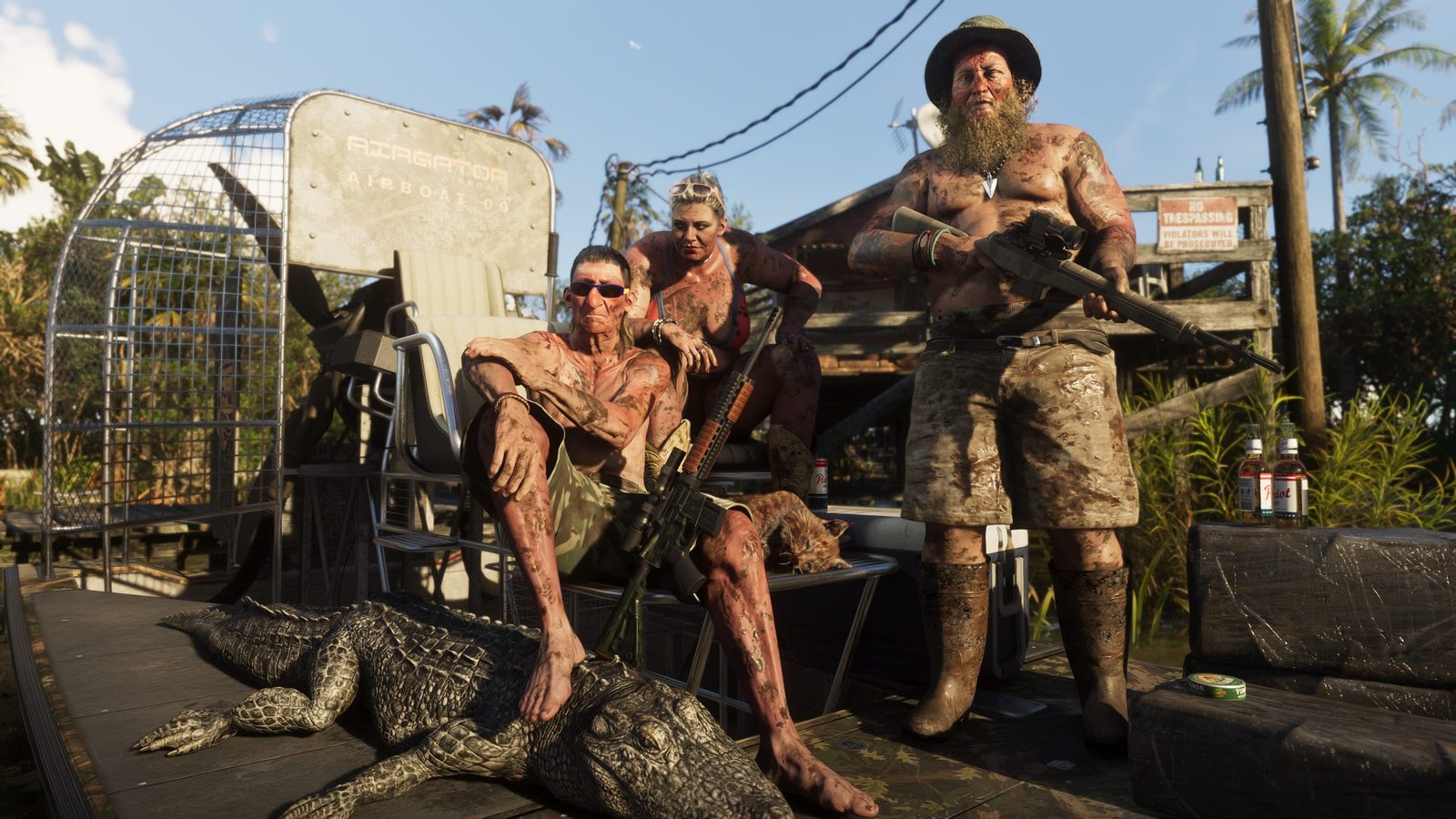
The main street with amenities for tourists and visitors is surrounded by the stilt houses of locals trying either to make money from tourism or to con those same tourists. Venturing deeper into the swamps, you come across “white trash”, as they say – small-time but very bloodthirsty criminals who hide among the crocodiles and tourists and raise pigs and deal cheap narcotics. Besides rivers and lakes full of the aforementioned crocodiles, tourists – and the player – can relax by fishing and hunting for underwater treasure in sunken ships.
As the story progresses, as is fitting, the game sends you to various parts of the map. After Key Lento, you head to the north-west of the peninsula, home to the farming and port area of Port Gellhorn. Here, growing weed and synthetic narcotics is more than a side hustle, and it’s also where you’re gently introduced to the game’s important mechanics. Besides spending time in a cheap, dirty motel, you’ll also have all sorts of dealings with equally cheap and dirty people. Although most of the map is open to you from the start, Port Gellhorn is where the real game begins, as it does its best to show you how much sweat and love went into creating this entire map.
The incredible number of details catches your eye immediately – roadworks, realistic deliveries, residents’ conversations and traffic behaviour. Not only is there detail, most of it reacts to the world. Besides the standard chairs falling over when you bump into them and the sense of weight of every object, every liquid is animated separately. Champagne fizzes in the glass, water moves in the bottle when you move it, and clothes react to the wind and to character animations. Even realistic sweat is animated, forming if you’re doing something physically demanding. The whole of Leonida reacts to important changes in the game, to the situations you as the player influence, but also to NPCs and scripted events (more on that a bit later). Everything Leonida can offer you is a chance to make money.
Let me hold a dollar
Money is the most important factor in GTA VI. The whole game is designed around having as much wealth as possible. I’ll mention this in the context of the story later, but what you need to know is that every activity either spends or earns money, which is extremely important to you. The story will push you to “earn” as much money as you can in as little time as possible, and you can do that through all sorts of activities.
The standard robberies of shops and jewellery stores are always a reliable but risky source of income. If you don’t want to take many risks, you can take part in races or pick up small favours here and there. My main source of money early in the game was stealing cars (because, well, GTA) and robbing drug dealers. Every area on the map has locations where dealers gather and keep or distribute their stash. Robbing these locations is always lucrative, but then you have to find a way to get rid of the drugs or launder the dirty money. Through missions you’ll meet fences who deal in stolen goods. But not every fence specialises in everything. Some want to launder money, some want gems and some only buy drugs. It’s up to you to decide whether, for example, to keep the drugs until you find someone who will pay more for them, or take less money and reduce the risk.
Stealing cars has its own challenges too. At first you can smash a window and nick a car, but some have alarms, some have trackers and some are so well insured you shouldn’t even look at them. To start with, smashing the windows of local cars in the countryside is effort enough, and later you unlock new abilities such as quickly unlocking cars (without breaking the window), disabling alarms or hiding from trackers. Stealing a car is easy, but then you need to secure it. At certain locations and some Pay ’n’ Spray garages, you can register the car in your name or sell it to a dealer. Not every dealer wants every car, and not everyone wants to deal with cars that have sophisticated alarms or keyless ignition, so you have to think carefully about where you take each car to sell or register.
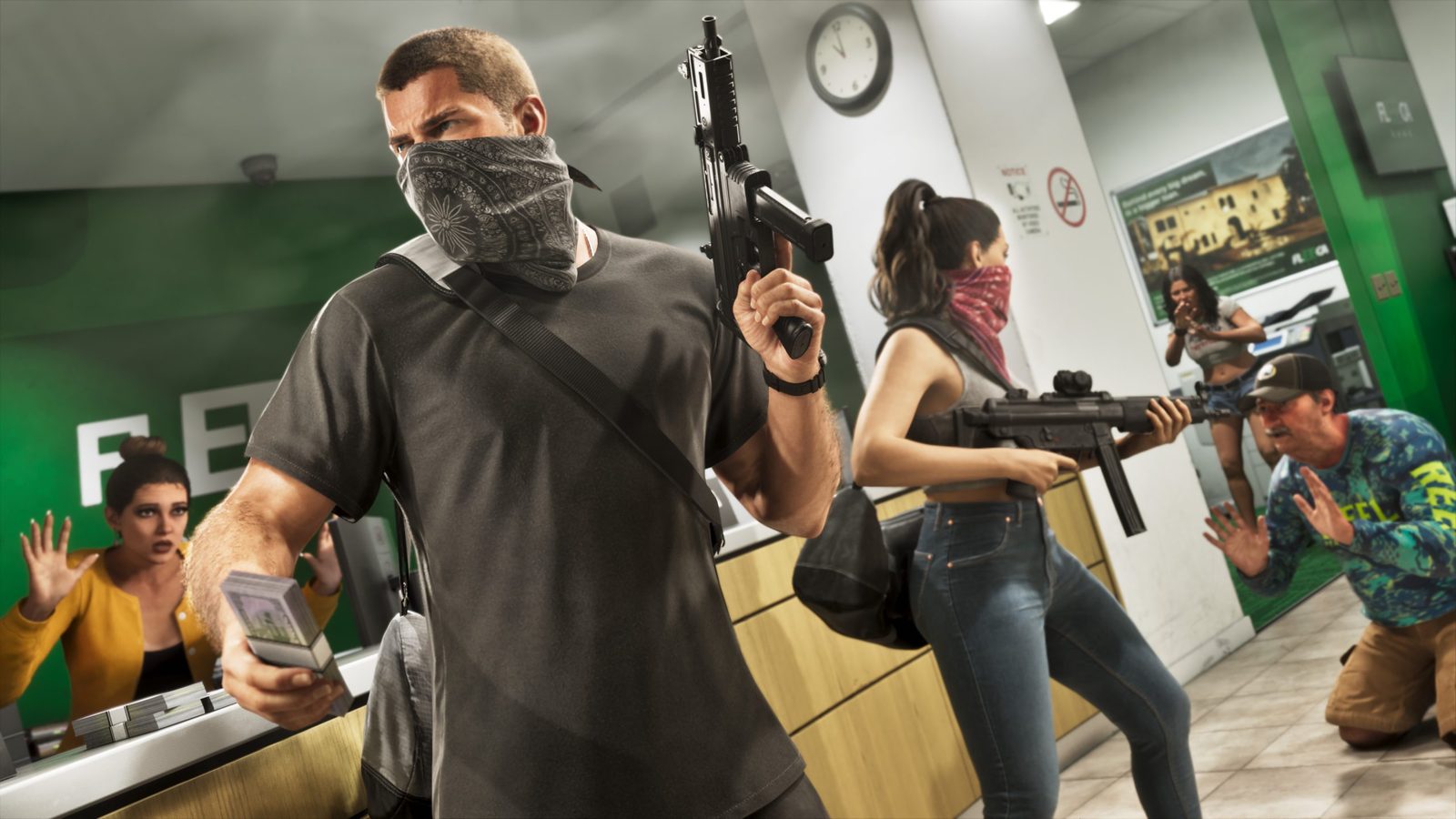
In general, unlocks follow your progress through the story, and some activities get easier the more you do them. For example, if you rob jewellery stores, you have to deal with safes, locked doors, security systems and alarms. Rob enough of them and you get a tool for quickly unlocking doors and better knowledge of security systems and cameras. This approach applies to most of those recurring activities, and as you progress, you earn more money. The game is designed to keep you in suspense and on the edge of being broke. Luckily, there are plenty of options, so the persistent will never run out of money.
Activities
There’s no shortage of activities. Besides those mentioned above, every area on the map will reveal something new to do. You’ll constantly run into an endless stream of random events and pastimes. For example, I came across a guy whose car had broken down and who asked me to help him find his wife, only for it to turn out that she’d got drunk and ended up with some shady characters. Another time some kids were throwing stones from an overpass onto the motorway and I had to go and teach them a lesson. You’ll often see random thefts that you can either ignore or turn to your advantage and make off with their loot. Most of these activities and random events are in the spirit of old GTA – silly, unbelievable, sexually charged or completely violent – and that’s a good thing. GTA VI doesn’t run away from its roots and values – it’s still the embodiment of satire of pop culture and current events in the real world. Generally, I’d leave it to you to explore all the options, because I’d run out of space if I listed everything you can do in this game. Finally, whatever you do during these activities, make sure – and I mean make sure – to hug Kyle.
Atmosphere
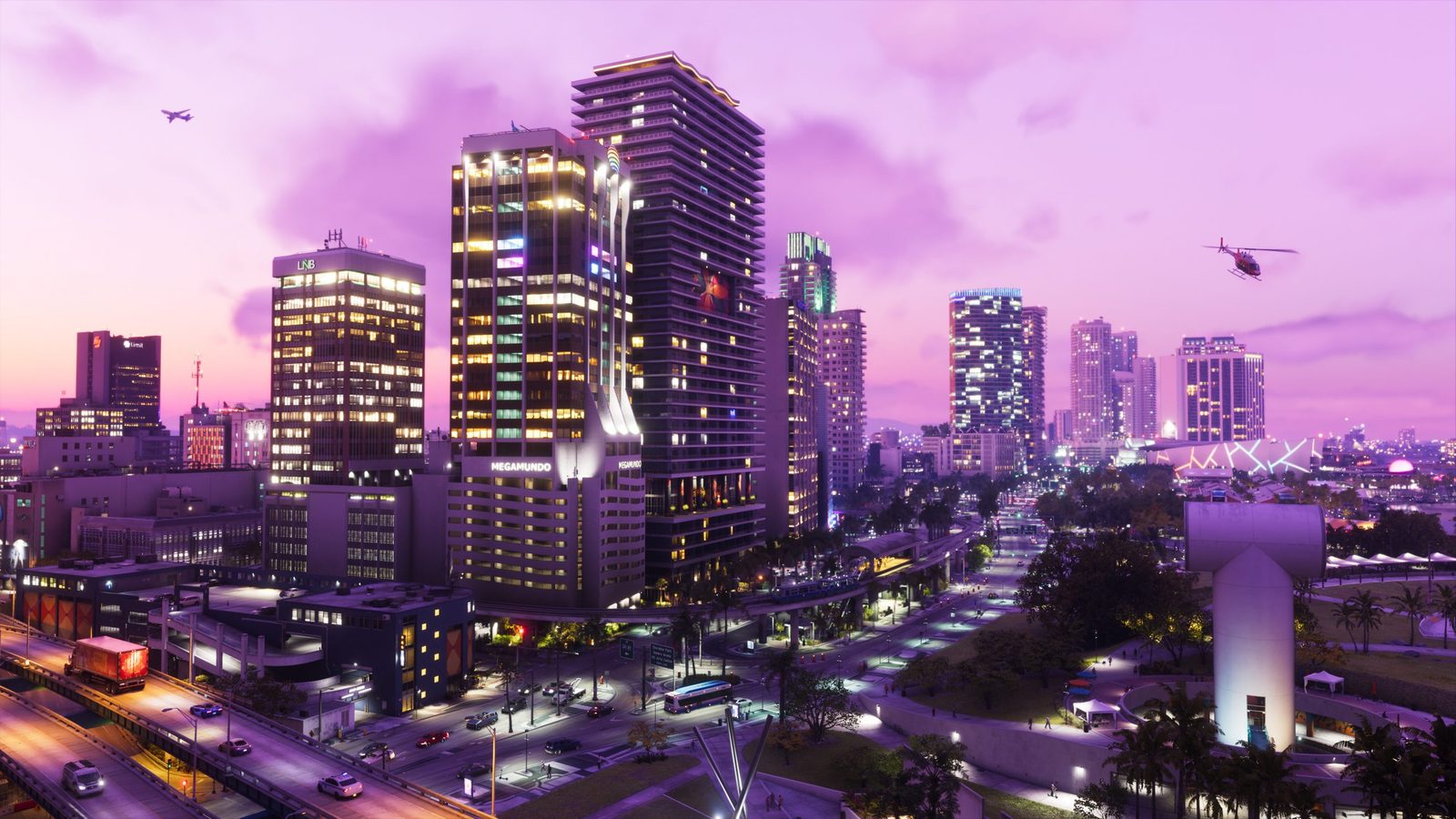
Leonida is alive, and Vice City especially so. One of the developers must have sat in the middle of Miami writing down what people say and do, what the buildings, yards and cars look like, how houses are built, how people behave in traffic, how they react to outside influences and the weather, how supply chains work, where park benches are placed so that they make sense, where phone chargers are, where the bins are. And then that developer transferred it all into the game. I have no other explanation. Every vehicle has its purpose and point, a reason why it’s where it is and where it’s going. Although I didn’t follow a truck to see whether it went from, say, a shop to a warehouse, I had a feeling that convinced me enough that it did.
Only in a very small number of moments did I lose the sense of immersion. I made myself a routine: when I go to the gym, when I go to the shop, which neighbours I say hello to and which I don’t. The phone also plays a huge role, a mirror of the present day. All communication happens via mobile, through messages or calls. Social networks are also important, both for the world and for developing a couple of parts of the story. Mission tracking and locations are sent to your phone as pins, and a lot of things are tied to reality rather than being “gamified”. Red Dead Redemption 2 is the king of realism and realistic animations, and GTA VI is right behind it – which is a good thing. Still, this is a game, so movement is much better than in RDR2, and reactions to the world aren’t as clunky. Although the horses’ testicles don’t shrink this time (honestly, I didn’t even check), your helmet just spawns on your head when you get on a motorbike, which irritated me because everything else is animated.
The amount of dialogue written for this game is unimaginable. Not once so far have I heard random NPCs repeat a line. To test this, I followed two old ladies out for a walk, and they didn’t change the subject until I got bored. Random phone conversations also make some sense, at least enough for me to think a real conversation is taking place.
Music and radio stations
I won’t reveal much about the music, but I can say the quality hasn’t dropped. There are loads of stations for every genre and a huge number of licensed tracks, so you’re sure to find music that suits your taste. Some radio stations are even tied to specific locations to pull you further into the action, such as mud racing. Beyond the stations, the original music is subtle, which is a shame because it’s very good. In many important missions the OST really drives things, but it’s more subtle compared with the action on screen. Luckily, in a few segments the game uses licensed music that fits the action so perfectly that I immediately grinned from ear to ear (especially at the start of the game). I just hope the licences last a long time and that we won’t have to put up with compromises somewhere down the line, as happened with previous games.

Realism and the police
Realism is much greater than in previous games, which won’t suit everyone. Besides a huge number of realistic animations that reduce the arcade feel of previous games, the environment also feels real and affects you. Your inventory is very limited, and you have to choose which weapons to carry. You can conceal a few pistols on yourself, but you can only ever carry two heavier weapons, such as shotguns and machine guns. The point is that you carry them on your back at all times and can’t hide them. As a result, everyone around you will react to the arsenal you’re carrying and will often call the police. Because of this, the car boot plays a big role, as that’s where you pack the gear and weapons you can’t hide on yourself. This became very tedious after a while, and I often relied only on pistols and the weapons enemies dropped. But it’s not just weapons that are a “problem” – the police behave very differently in GTA VI compared with all previous instalments.
The police were always more or less a joke, something you could brawl with until you got bored or mess with however you liked. In GTA VI, the police are an extremely serious factor. If your crime (and sometimes your mere existence) gets the police involved, they note your physical description, your clothes, the car you’re driving, its colour and sometimes your exact location. If you manage to escape them, i.e. lose your stars, that’s not the end of it – they actively search for you in the area where you committed the crime. That’s why you always need a change of clothes in the boot and should make sure you have a mask or bandana to hide your face if you’re breaking the law. Of course, none of this is mandatory, but it’s extremely hard to escape police who are very determined to arrest you. It doesn’t help that every NPC has a mobile phone and can call the police at any moment over the smallest thing – and you’re always the usual suspect.
I had a situation where I had to meet an NPC to start a side mission and was supposed to sit on a bench and wait for him. That bench was next to a shop (or a petrol station, I don’t remember exactly) where a random robbery was taking place. I just sat there, waited and watched the scene unfold, with the shop owner bravely defending himself against the robbers in a very well-armed way. The whole scene impressed me, and I didn’t want to get involved, just to see what would happen while I waited. Then the police arrived, a blue circle lit up on the map showing the area of an active search for suspects, and somehow they spotted me and instantly arrested me, even though I hadn’t taken part in the robbery. All of this happened while the NPC was giving me the mission I was supposed to do. I reckon that second part was a bug, but an instant arrest for something I didn’t do isn’t fair, and it’s certainly not fun.
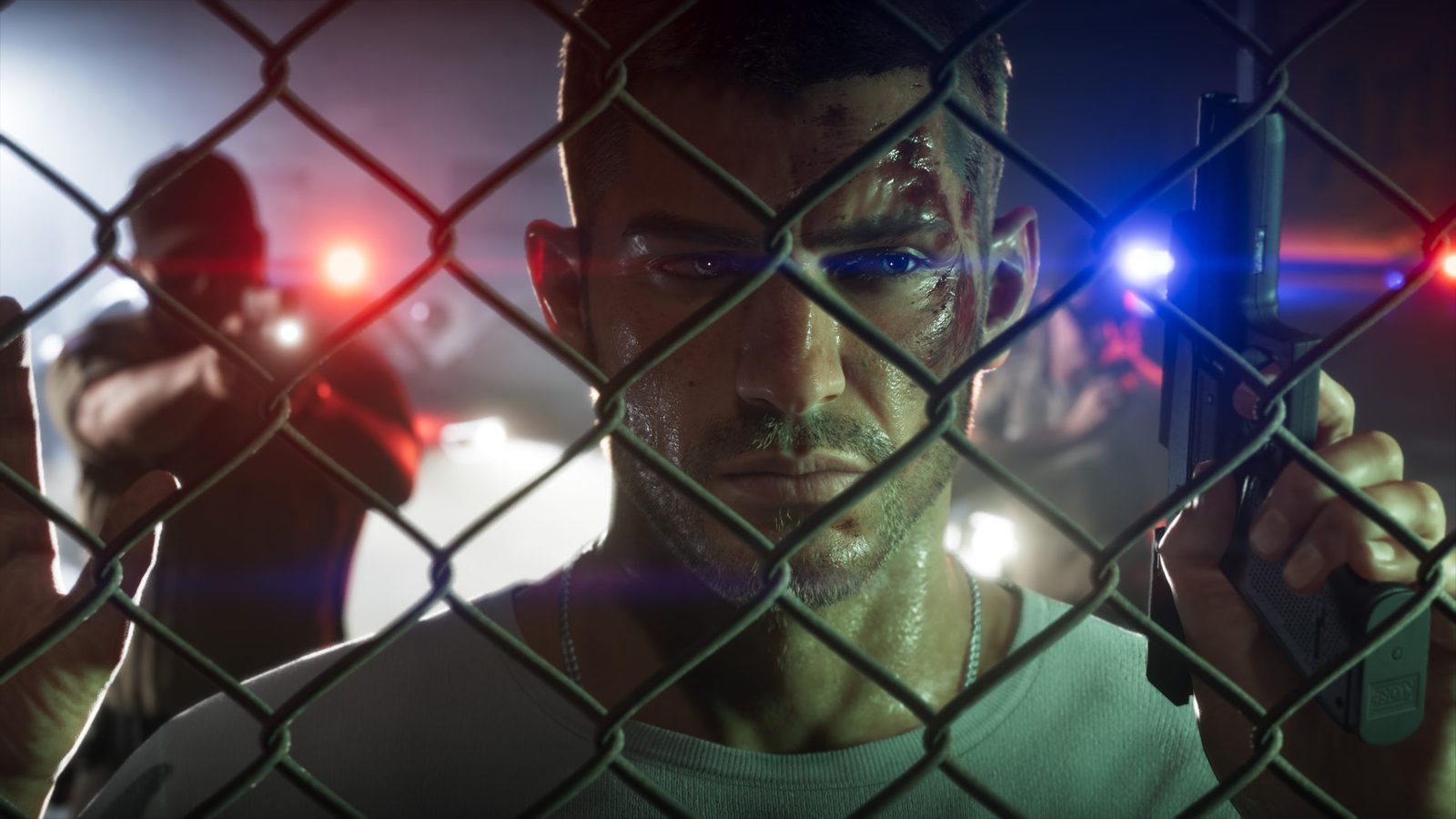
Thrown into this whole mess is a morality system similar to RDR2’s. If you’re a professional criminal, it’s easier to evade the police and vanish from a crime scene as if you were never there. If you’re a complete maniac mowing down everything in front of you, your morale drops and your criminal profile changes. Rockstar definitely wanted to bring you down to earth and keep you grounded in reality, so that your behaviour outside missions is consistent with the characters’ behaviour during the story. What sets this system apart from RDR2’s is that you can’t go back to being a professional if you were a maniac most of the time. I didn’t manage to test this system fully (because the game is huge and long), so I stuck with the professional approach. Simply because I wanted to be a professional, I constantly had to buy new clothes, pack them in the boot and change regularly. This became tedious after a while, as every item of clothing costs money too. In the end I got used to the system, but somehow it doesn’t suit a game like GTA. For RDR2, I absolutely agree that ultra-realism belongs and is needed to make it such a good game, but in GTA VI I think we could have done without it.
Vehicles and physics
I don’t need to tell you the game has a huge number of vehicles you can use, from bicycles and e-scooters, regular cars and sporty hypercars to construction machines, planes, helicopters and plenty of other vehicles I don’t dare spoil. Each of them behaves in a way specific to its type, and a lot of attention went into this. Besides the usual things such as speed and ease of handling, every vehicle has its own physics and behaviour. What’s more, every vehicle has its own “weak spots” that you can use to disable it.
The damage animations and their physics are pure magic. That shooting at police cars from the trailer wasn’t staged for advertising purposes – any chase can end with you shooting the engine and disabling it while bits of bodywork fly everywhere and flakes of paint scatter across the road. You also have extra control over the vehicle (depending on which one), so you can switch lights on and off, use the indicators and all the extra equipment that comes with the vehicle you’re in – no detail was spared. Likewise, vehicle interiors are completely polished and so unique that almost every one can be different. And not just in design – one car will have a plastic bottle or a map in the door pocket, dirty seats or some other silly, unnecessary detail they added just because they could.
Lucia and Jason
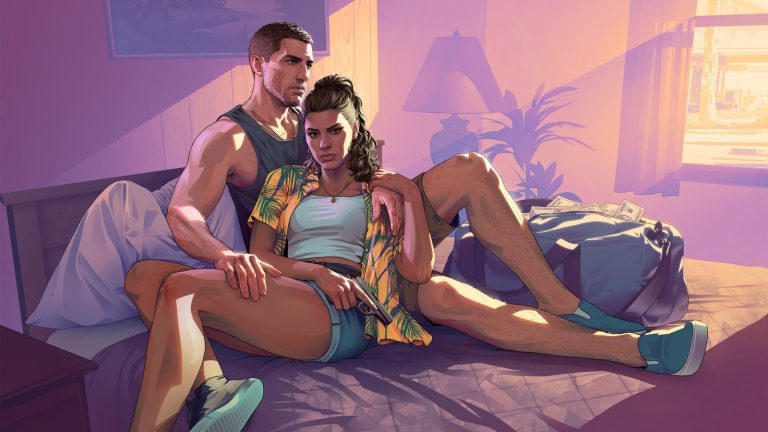
Now let’s talk a bit about the characters you’ll spend the most time with. If we don’t count the first and second GTA, where they were optional, Lucia is the first female lead character with full voice acting. This was a risky move by Rockstar, but in the context of the story with Jason it makes sense. Lucia is of Puerto Rican descent and brings her Latin character wherever she goes. She is fiery, dangerous, direct, brave, skilled and quick-witted (imagine that, a main character) and comes across as someone who knows what she wants and how she wants to get it. I don’t want to say much about her, because every detail is a spoiler, but my impression is that she actually represents us, the players. She’s the one who will gladly take on any task, turn every job into fun and live on the edge between life and death. It’s fun going on missions with her because she’s interesting and witty and somehow belongs in this satirical world. The voice actress clearly had a great time recording her, and it absolutely shows in the performance.
Jason, on the other hand, is the most boring protagonist I have ever played.
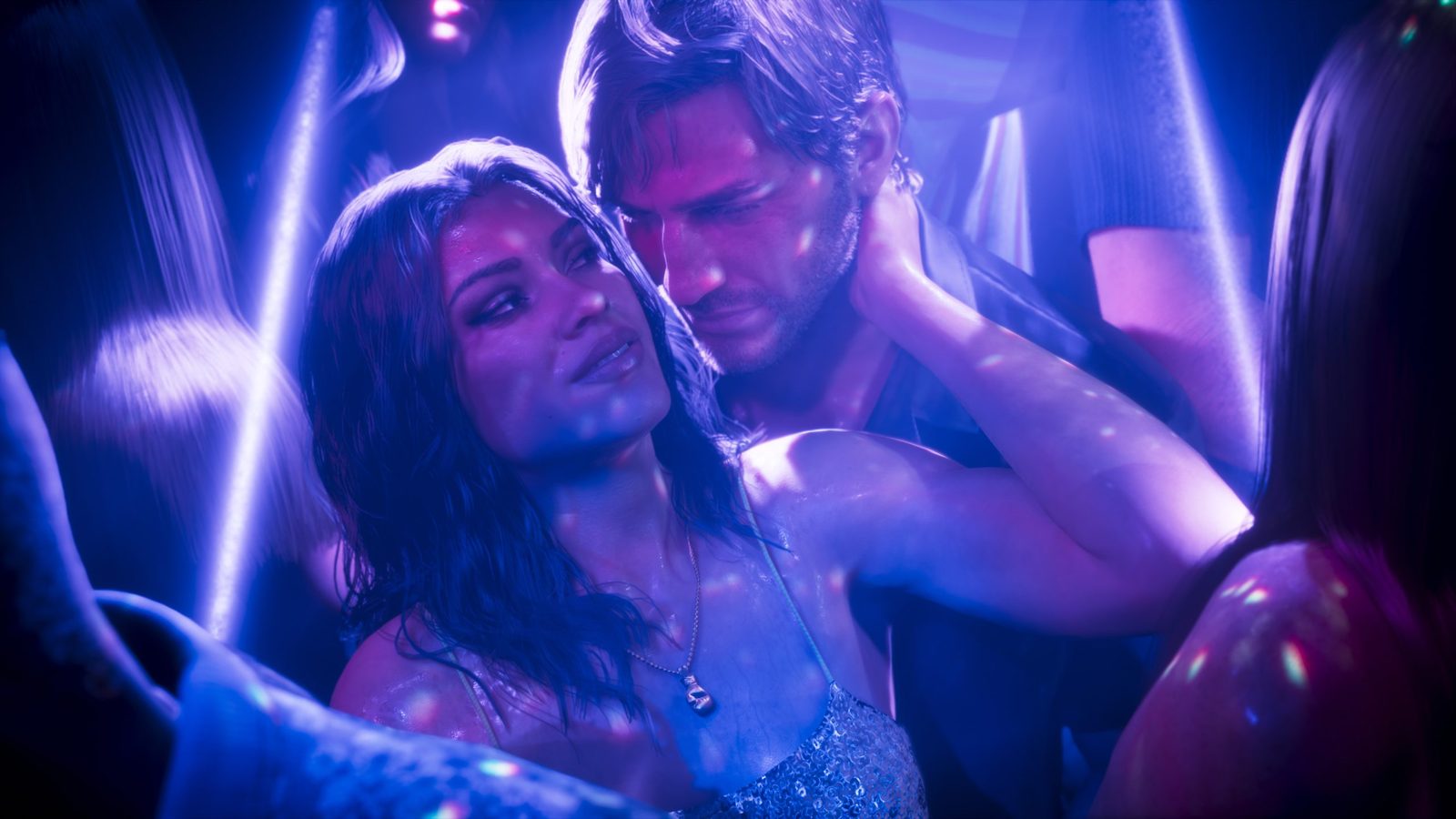
Jason is a former mercenary originally from the Liberty area who, by a twist of fate, meets and falls in love with Lucia. The character is boring, incredibly boring. He has zero charisma, accepts everything he’s told, lets himself be belittled and pushed around (when I’m not in control of him). He’s very easily manipulated by anyone, especially Lucia (in the name of love), and he doesn’t push back. He often has no opinion of his own, and when he does, he gets drowned out by anyone else. The game wants to present him as intelligent and capable, but without Lucia he’s just a pushover. His reactions to everything happening around him are very weak and dull. The character is a blank page that refuses to be filled, and I avoided playing as him whenever I could. It doesn’t help that his voice is monotone and quiet. I think they wanted to create a brave stoic with lots of patience and understanding, but wrong game – this is GTA.
Story
This brings me to the weakest part of the game, and that is the story as a whole. Without spoilers, you’ll only get its outline, but definitely skip this section if you don’t want to know anything at all.
Lucia and Jason are trying to get out of the criminal world and will take anything just to make some money and get as far away as possible. That motivation, established right at the start, could be removed completely and nothing would change. The game follows the very standard progression of any story of this type: the main characters have a problem and need money, they get into heavier crime, it comes back to bite them, and they try to get out of it by forming shaky alliances with shady people in the hope of getting away. Progress is extremely slow, with a lot of unnecessary filler. The setup and the outcome of the story can be predicted very early (much earlier in my case – you’ll see why if you play it). The main premise happens relatively early and is only resolved in the game’s final chapter, while in the meantime you try to make money and find a solution to a specific problem (I can’t say much, but it’s dumb).
Let’s do a quick comparison across the history of GTA and RDR games. Michael De Santa is a middle-aged criminal having a midlife crisis that leads him into stupid decisions, but he’s always there for his family. Franklin is a smart kid trying to get out of the ghetto because he’s clever enough to know he doesn’t need it, and he uses every opportunity to build a better life for himself. Trevor is a maniac and a sociopath driven by pure instinct, but he wants to be accepted. Arthur is part of a criminal organisation led by a very charismatic leader who claims to have a plan. To Arthur, this gang is family and he’s ready to do anything for them. Niko Bellic is looking for a better life after the horrors of the war in the Balkans. CJ returns to the old life he fled in order to bury his mother, and now wants to make the most of the circumstances to improve his life. Jason and Lucia get tangled up in stupid situations regardless of their circumstances, which I didn’t like at all. And regardless of the circumstances, both make dangerous decisions that call into question their motivation and desire for a new life.
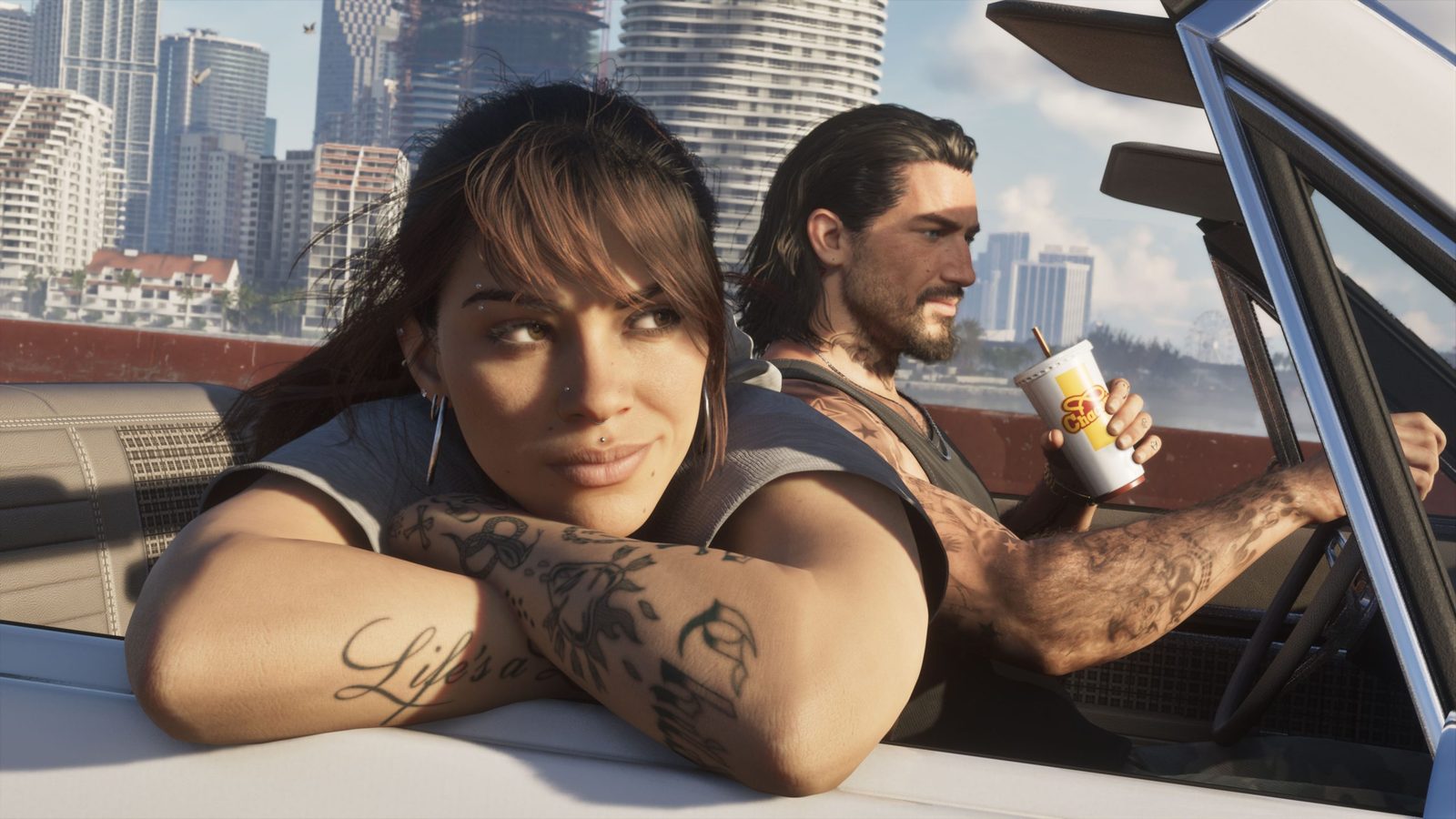
An important mechanic in the game is the relationship between Jason and Lucia, which you have to work on. I tried to keep their relationship as good as possible and to have them do most missions together (where possible), and that kept it at the highest level. At one point in the story, a rift between the protagonists is artificially introduced, which didn’t make sense to me, and it happens very abruptly over just a couple of missions. The strength of their relationship shows in exactly those missions, but even so, the conversations in the cutscenes didn’t reflect it.
What saves the story is a host of colourful supporting characters, and I couldn’t tell you which is best. They’re all written perfectly and the voice acting is outstanding – they’ve literally brought them to life. It helps that the animations are superb and clearly show, through body language and tone of voice, how everyone feels and how important the subject of their conversation is. Every actor behind every supporting character did an absolutely impossibly good job.
Unfortunately, story has always been very important to me, in other games as well as in GTA. The stories of previous instalments gave us moments we’ll remember for the rest of our lives. Everyone in the gaming world knows “Ah shi*, here we go again”, or knows Big Smoke’s entire order by heart, or the “Lance Vance Dance”, or Lamar’s roast of Franklin’s haircut that I can’t write here, or Michael’s line that the whole game revolves around: “You forget a thousand things every day, pal. Make sure this is one of ’em.” And of course, all we had to do was follow the damn train, or not accidentally skip bowling with Roman. I didn’t see or experience moments like these even once during the whole game. Maybe the internet will dig something up after launch, but right now I can’t single anything out or imagine it becoming part of GTA history.
GTA Online
We all know GTA V did even better because of the immersion GTA Online offers. Playing GTA VI, I often noticed that most of the activities (especially heists) are designed to support the GTA Online that will come out sooner or later. I increasingly had the feeling that the whole design was done first for Online and only then for the story, or that the story was squeezed into the framework of GTA Online. I may be completely wrong about this, but so many details and so many buildings you can enter and find some little thing in are perfect for an online game, not to mention the size and density of the map. Either way, when Online launches I think it will be total chaos, and that will actually be the real way to play GTA VI.

Technology
Pure magic. Rockstar’s technical developers are wizards and witches – I simply have no other explanation. I played the game on a base PS5, and the details I’ve mentioned shouldn’t exist in that quantity on a console that’s almost 7 years old. The physics, graphics and sheer processing power, and the engine’s ability to keep up with that much going on at once, are simply incredible. The game targets 30 FPS, and in most cases it holds, but during storms, especially at night, performance can dip before quickly stabilising. Of course, I’m one of those who would rather play at 60 FPS minimum, but given this achievement, they’re very much forgiven. Personally, I can’t wait for the PC version – that will be insane (for those who manage to run it, I suppose).
Conclusion
Phew, this is the hardest part of the text. GTA VI has been awaited for 13 years. The series is so big and powerful that other games ran away from GTA VI’s release date. People are taking days off to play this game, and it’s assumed the economy will suffer a little because many workers will miss days at work to become part of this phenomenon and spend time in Leonida. If anyone has made it this far and read the wall of text above, thank you. I’m sure I won’t change anyone’s mind about buying the game, even though I didn’t like the protagonists and the story, but likewise I won’t convince people who aren’t interested in GTA 6 to play it because of the huge amount of content, detail and immersion.
As far as I’m concerned, I’m glad I spent time in Vice City, that I went fishing, raced around the city, robbed jewellery stores and banks, flew a plane, sold a house to criminals, met a huge number of random people and made a buck or two. And most of all, I’m glad I hugged Kyle.
Grand Theft Auto VI is available on PS5 and Xbox Series X/S
Author: Igor Totić
Game provided by: Rockstar Games